


Product Description
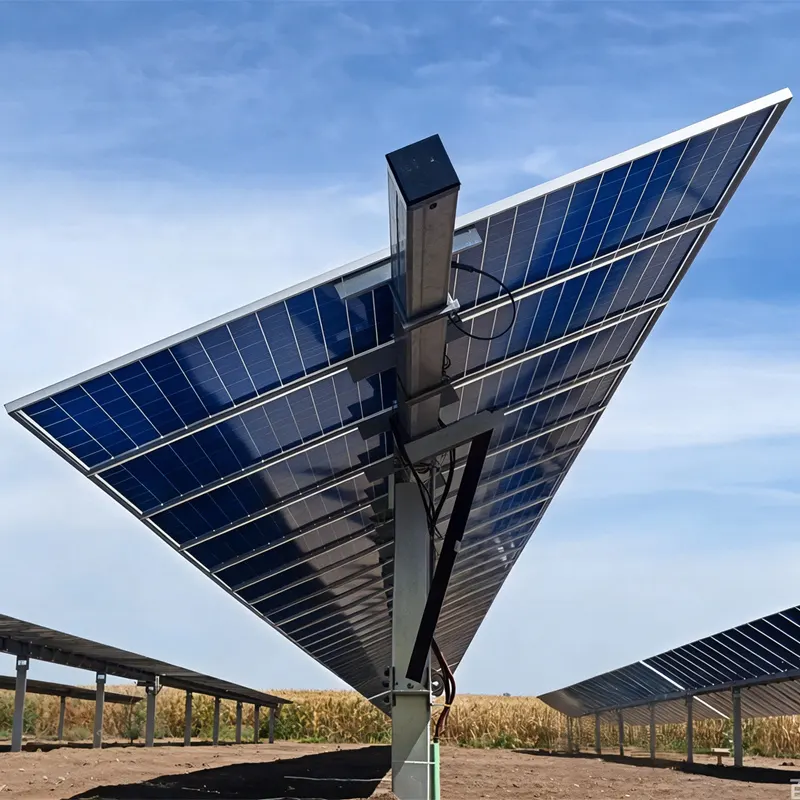
Compact horizontal single-axis tracker with single-row module layout. Easy installation and maintenance, strong terrain adaptability, enabling efficient layout on irregular plots. Suitable for small and medium ground PV plants and distributed tracking projects.
Product Parameters
| Main material | Hot-dip galvanized carbon steel |
| Tracking | Horizontal single-axis |
| Drive | Linked drive |
| Control | Solar algorithm with GPS time sync; anemometer-triggered stow |
| Operating wind speed | ≤15-20 m/s (10-min mean at 10 m), auto-stow above threshold |
| Stow-position survival | 45-60 m/s (3-s gust at 10 m; operating value 15-20 m/s is a 10-min mean) |
| Design snow load | 1.2 kN/㎡ ≈ 25 psf (EN 1991-1-3) |
| Capacity per unit | Module capacity 5-20 kW (modules and inverters excluded); land use about 8-15 ㎡/kW |
| Design life | 25 years; structural warranty 10 years, electrical warranty 5 years |
Our Services
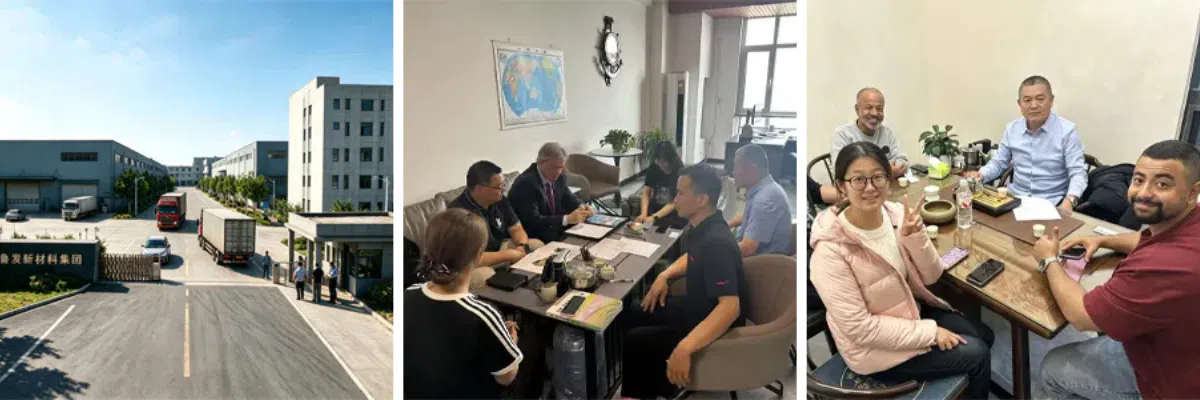
We provide full-cycle seller services for solar mounting systems. Our engineering team can offer customized solutions for different working conditions such as rooftop, ground-mount and solar carport.
Every batch of goods is inspected before shipment to ensure corrosion resistance and structural safety.
From quick quotation, drawing confirmation and production schedule update to container loading arrangement and after-sales technical guidance, our sales and engineering team respond promptly to your bulk orders and project inquiries.
FAQ
Q1: Is it suitable for irregular terrain?
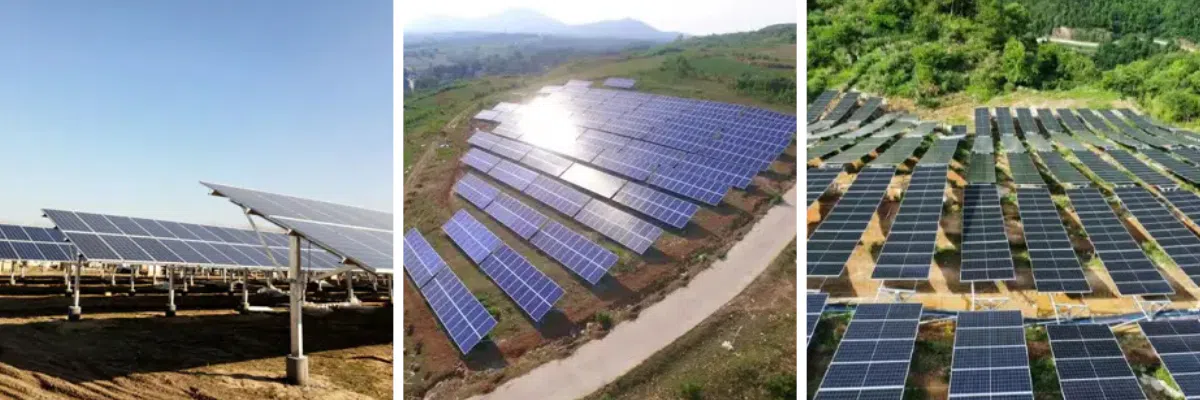
A1: Yes, single-row structure has strong terrain adaptability and can follow slopes and irregular plots.
Q2: Is later maintenance expensive?
A2: Simple structure with few moving parts; only regular lubrication and inspection, very low annual maintenance cost.
Q3: How much land does one unit occupy?
A3: About 8–15 ㎡ per kW, varying with latitude, row spacing and terrain.
Q4: What project scale is it best for?
A4: Hundreds of kW to several MW small/medium ground power stations with flexible arrangement.


